
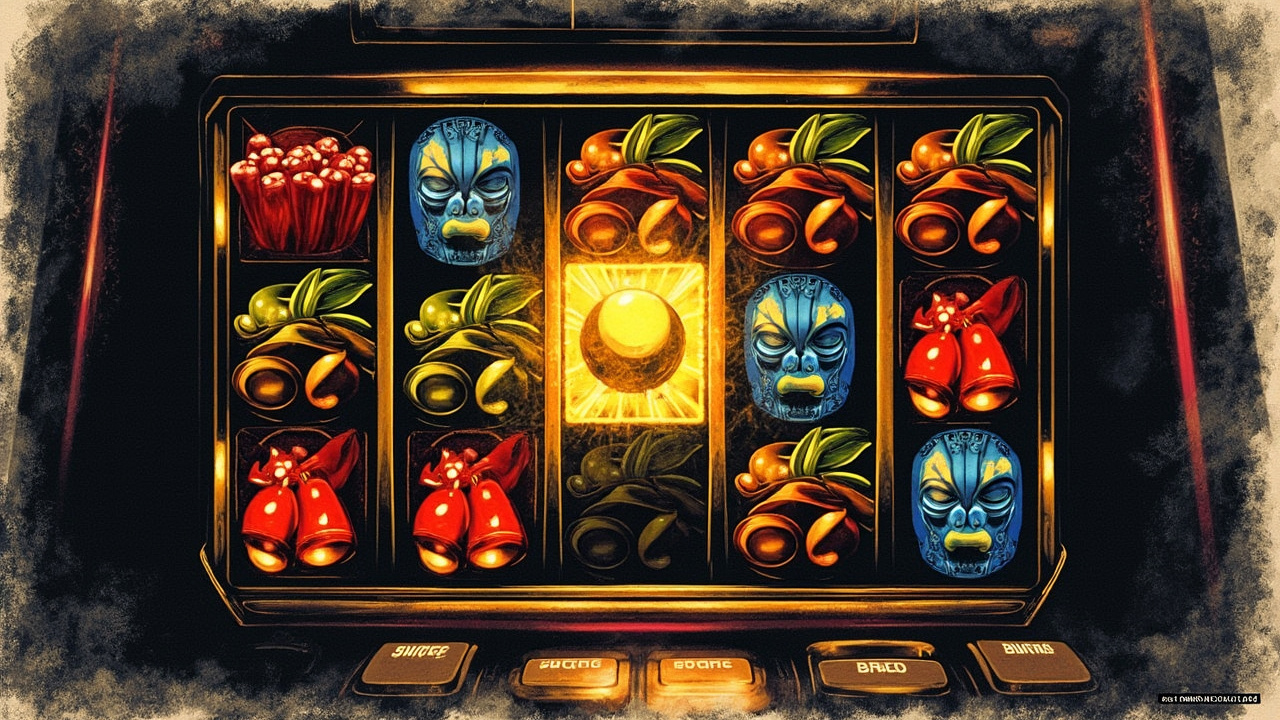
Jackpot slots with progressive jackpot online have always fascinated me because the numbers tell a real story beneath the flashy symbols. In Melbourne laneway pubs and late-night apps alike, players chase those climbing prize pools without always seeing the architecture underneath. I approach these games the way a designer thinks about a pinball machine: the physics of the bumpers matters just as much as the artwork on the playfield. The same discipline applies here, where a serious math infrastructure has to sit quietly behind every cascading reel and every meter that ticks upward. That tension between playful design and hard probability is what makes the category worth examining closely.
The core appeal of slots with progressive jackpot online is that the top prize keeps growing until someone lands the right combination, and that growth changes how the rest of the game feels. From a design standpoint, I treat the jackpot meter like a second playfield layered over the base game, one that rewards patience and punishes overbetting in the same way a well-tuned physics toy punishes sloppy timing. The underlying maths has to support that experience without pretending the odds are friendlier than they are. My judgement call is simple: a progressive slot works best when the base game is genuinely entertaining on its own, so the jackpot feels like a bonus layer rather than the only reason to press spin.
A few features tend to separate a well-built progressive from a forgettable one, and they usually come down to how the game communicates risk and reward:
- A clear, readable meter that shows the current jackpot without burying it behind animations
- A base game with enough variety to keep the session interesting between jackpot triggers
- Bonus mechanics that are explained in plain language, with stake and volatility made obvious upfront
- Payment options that match local expectations, including Australian dollars where the operator supports them
- Mobile behaviour that stays stable when the meter updates during a session
When those pieces line up, the game stops feeling like a lottery ticket glued to a reel spinner and starts behaving like a complete experience. clubhouse casino for table games
Localisation matters more than people expect, especially for an Australian audience that wants to read the screen without translating it in their head. A site that handles language, currency and everyday navigation well makes the maths easier to trust, because the player can actually see what they are doing instead of hunting for clues. I judge that side of the experience the same way I judge a good interface in any physics-driven game: the controls should disappear when they are doing their job, and the feedback should be immediate and legible. For players who also enjoy hands-on table action, a well organised clubhouse casino for table games can be a useful reference point for how a broader lobby should feel when it is built around clarity rather than clutter.
The numbers behind progressive slots are where the real engineering shows up, and that is where I keep returning to the same comparison between playful design and serious infrastructure. A jackpot cannot keep climbing unless the game’s probability model, contribution rates and trigger logic are all keeping track of the same pool, which is a lot like making sure a pinball machine’s scoring matrix and its physical playfield agree on what counts as a point. Lily O’Brien, Head of Analytics, Southern Cross Gaming Advisory, has put it plainly: “The jackpot meter is only as credible as the contribution model behind it, and players can tell when the top prize is being marketed without the maths being visible.” That kind of transparency is what turns a flashy counter into something a regular player can actually reason about.

I also like to compare the volatility of a progressive slot to the way a physics toy behaves when you change the tilt: small adjustments can make the whole session feel very different, even when the artwork stays the same. Blake Green, Senior Market Analyst, Pacific Player Protection Institute, tends to flag the same practical risk from a player-protection angle, noting that the excitement of a climbing prize can blur the difference between entertainment budget and chasing behaviour. That is why I pay attention to whether a game’s stake ranges, bonus frequency and jackpot contribution are presented in a way that supports informed play rather than hype. Alice Green, Head of Analytics, Harbour Bet Insights, has made a similar point about session design, arguing that a progressive slot is easier to evaluate when the base return and the jackpot mechanics are not dressed up as one indistinguishable promise.
For an Australian player weighing up slots with progressive jackpot online, the useful question is less about whether the jackpot will hit and more about whether the whole setup is built for a sensible session. I look for a lobby that keeps the progressive games easy to find, a currency display that matches what the player actually holds, and support that is reachable without turning a simple question into a maze. Mobile play should feel like the same game, not a compressed afterthought, and registration should be straightforward without pretending that verification is optional. My verdict is that a progressive slot earns a place in a regular rotation when the base game is enjoyable on its own, the jackpot is presented honestly, and the platform around it makes everyday play legible. If the maths is invisible but the fun is real, the game has done its job; if the jackpot is the only thing holding the experience together, it is probably better to keep walking.
Next time you are scanning a progressive slot and the meter is creeping upward, do you judge it by the artwork on the reels, the clarity of the maths, or the way the whole session feels after half an hour? Share your take in the comments or pass this along to a mate who has a strong opinion on whether a climbing jackpot is worth the stake.